
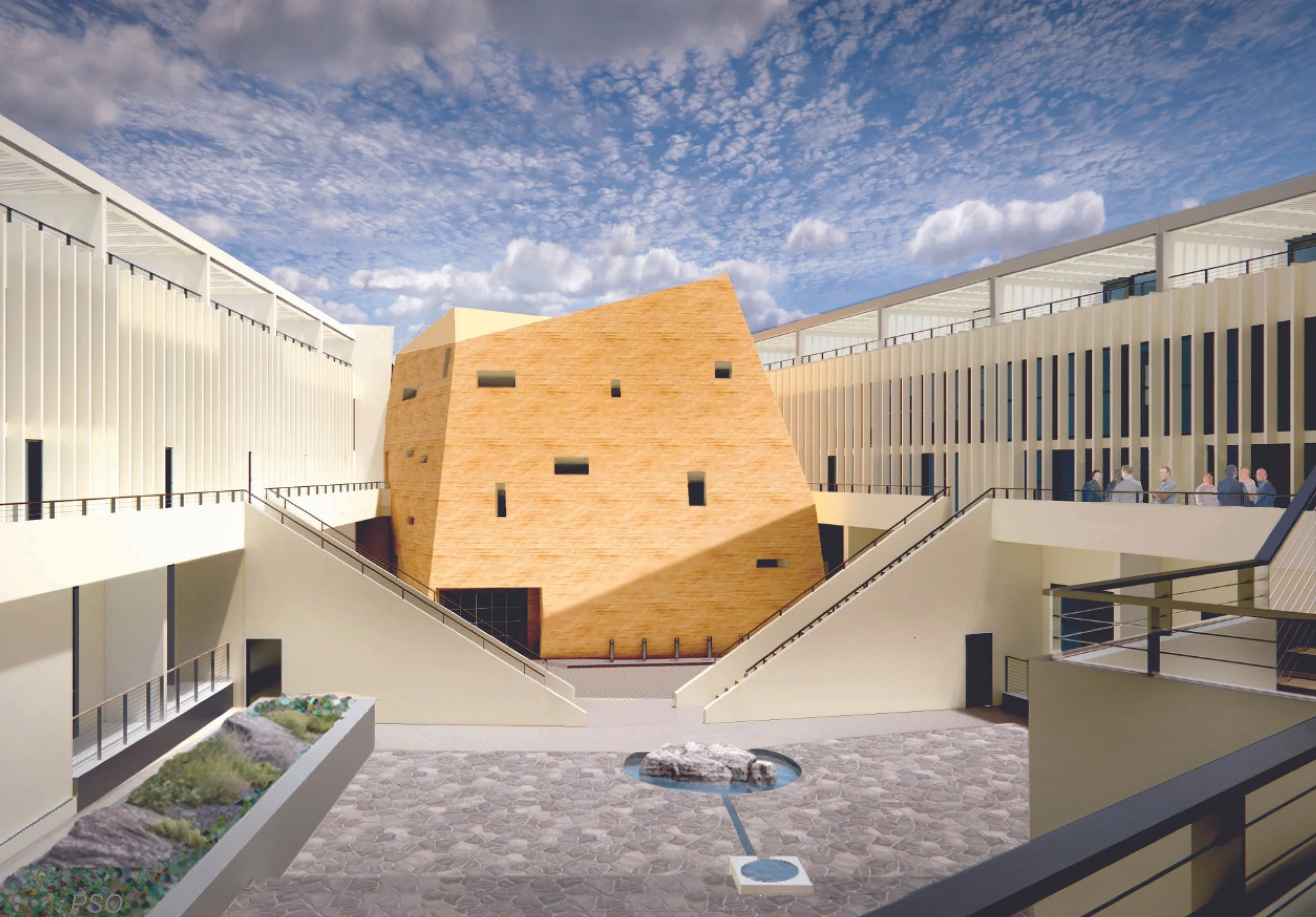
Immerse Yourself
At Blue Mesa, immersion means creativity is not something you visit — it’s something you live inside. Artists are immersed in a daily rhythm of making, collaborating, teaching, and exhibiting. Workspaces, homes, galleries, and gathering areas exist in one interconnected environment where inspiration is continuous and community is constant.
The Master Plan
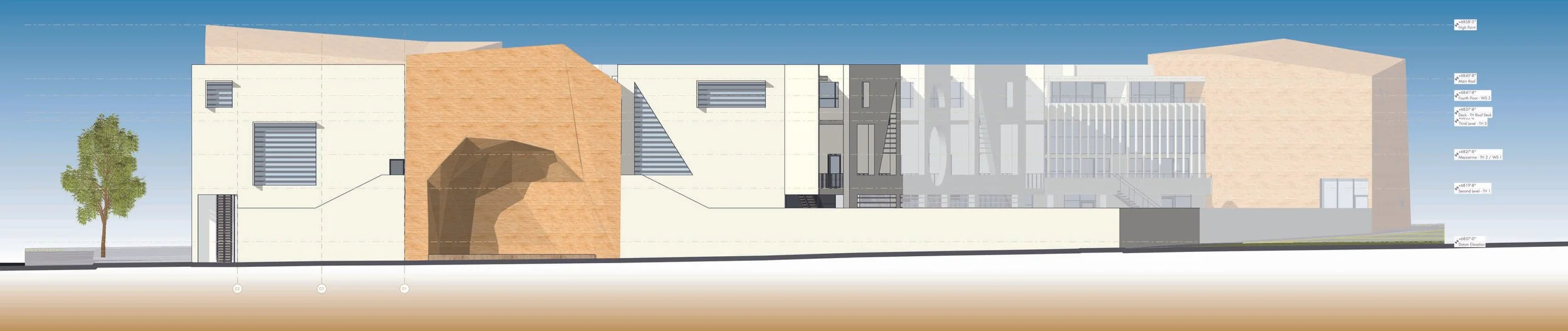
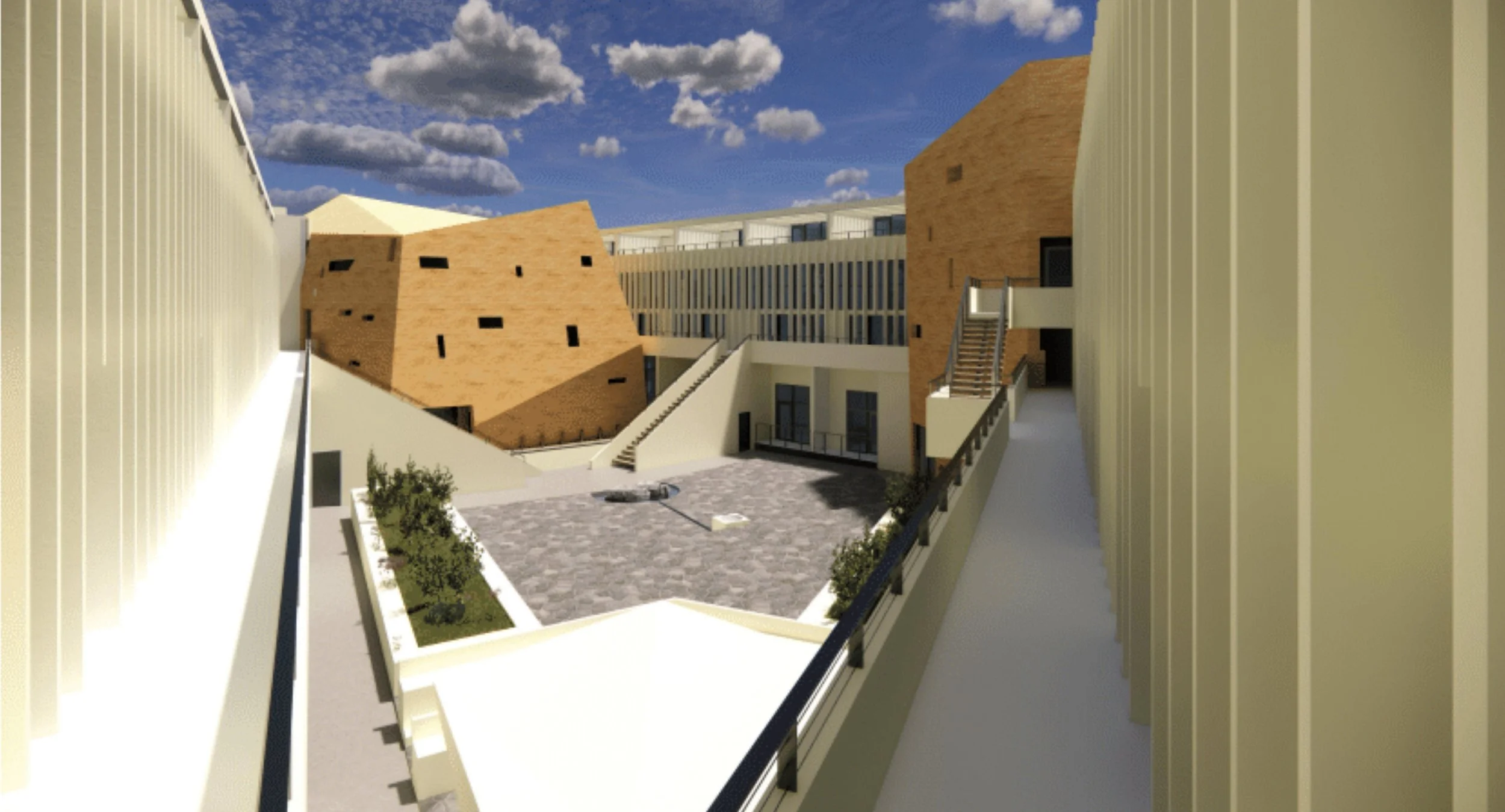
Blue Mesa proposes a porous architectural framework—one that organizes relationships as much as space.
Rooted in the high desert:
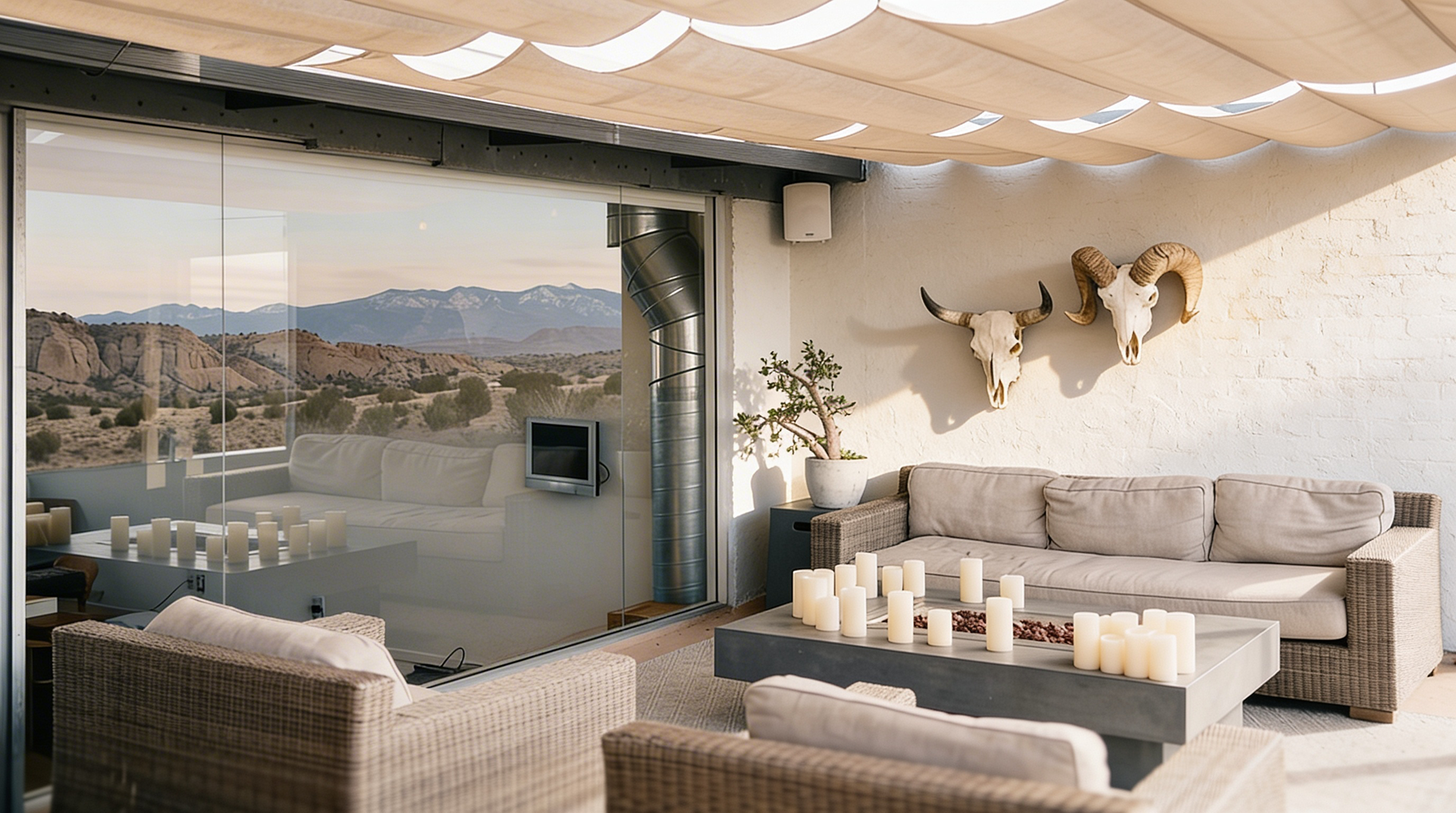
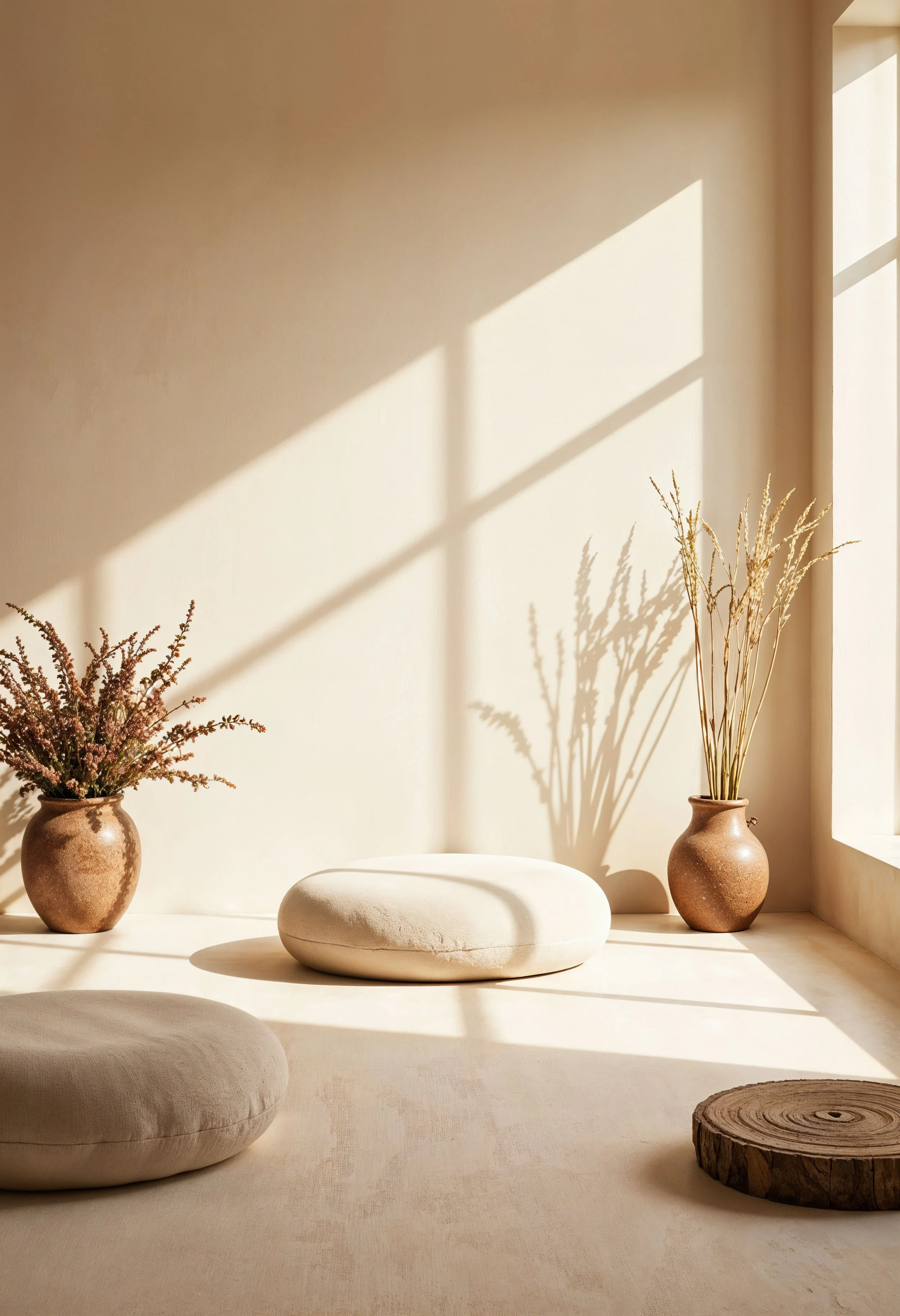
Light is filtered and shaped
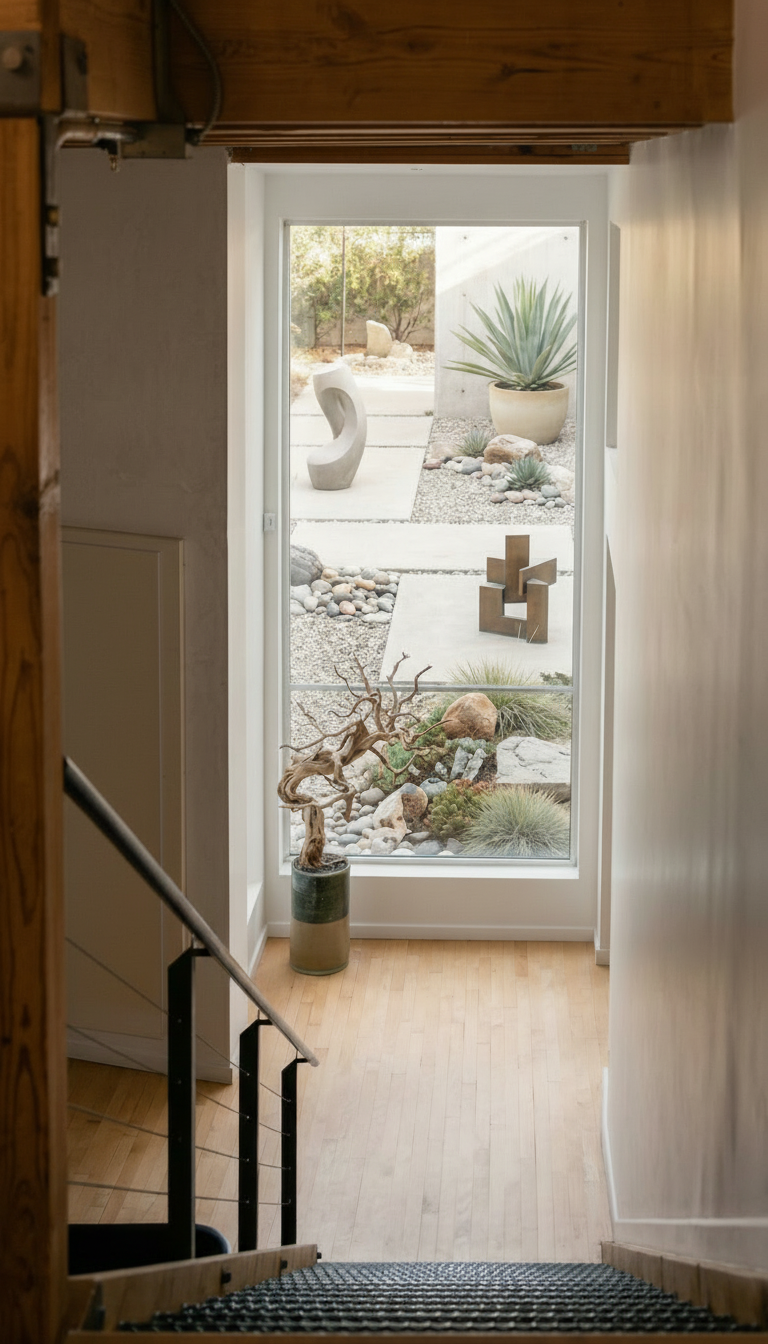
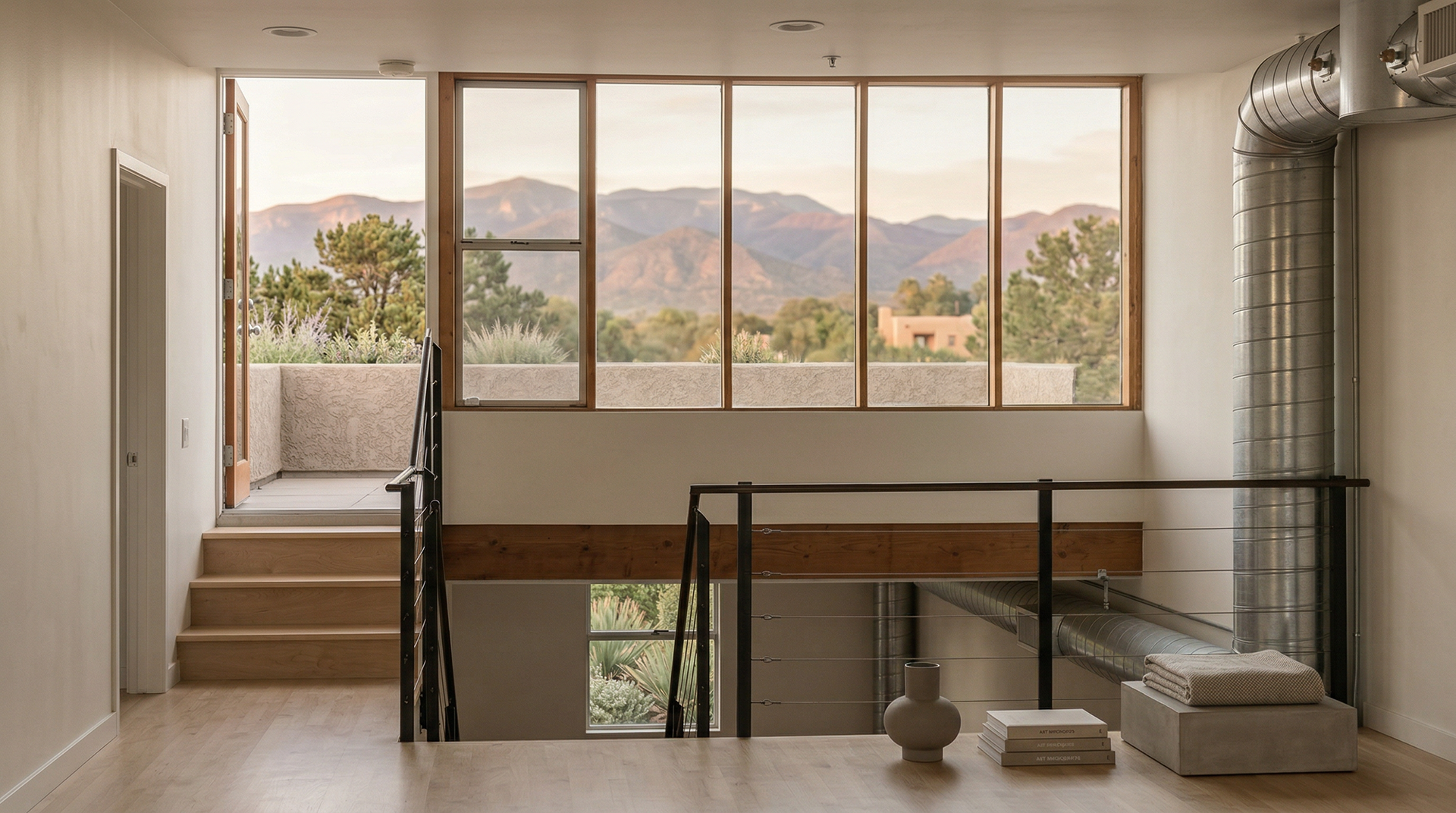
Space flows between inside and outside
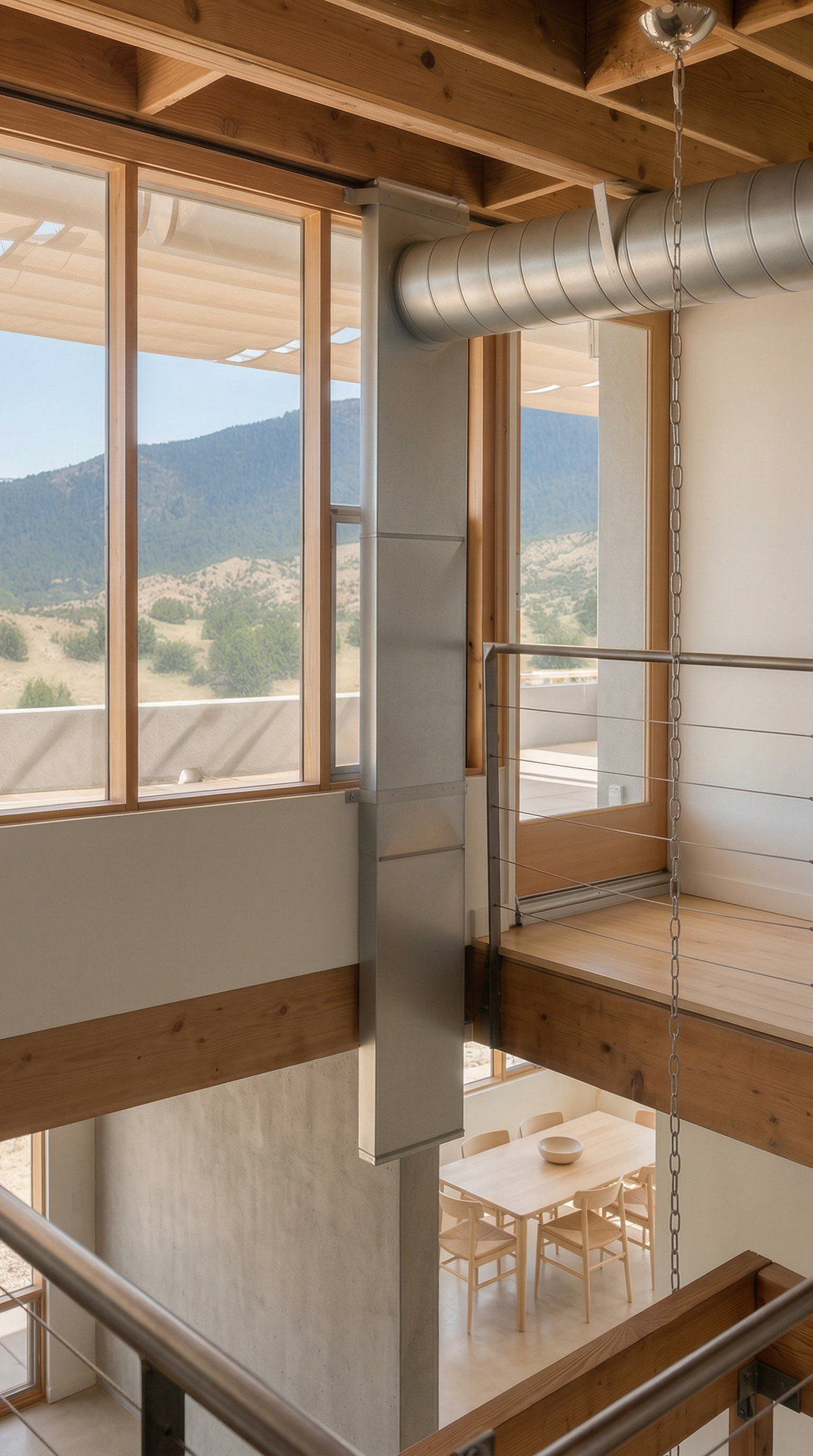
Materials reflect restraint and durability
This is architecture that is not imposed on the landscape—but drawn from it.
Design Philosophy
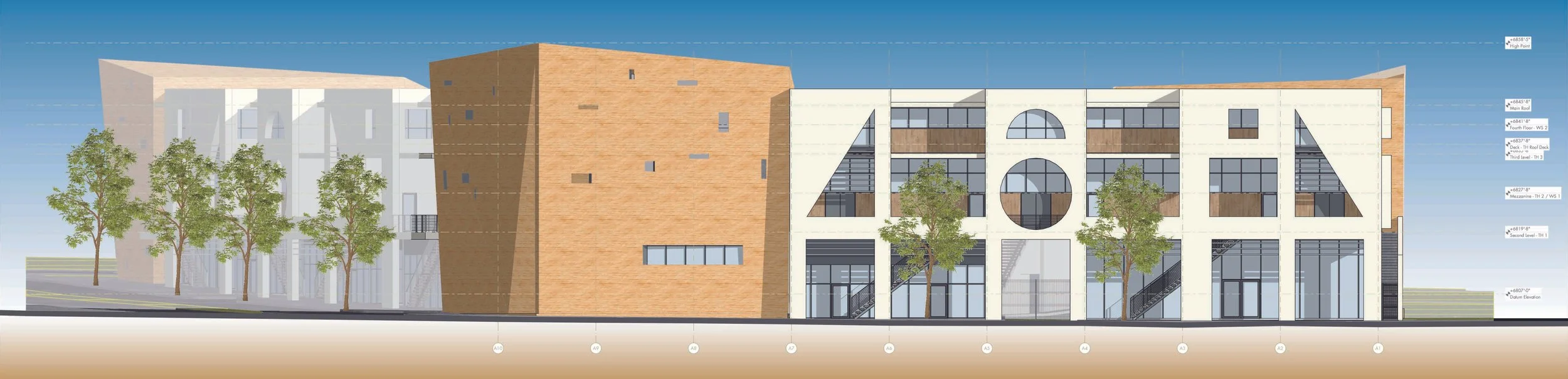
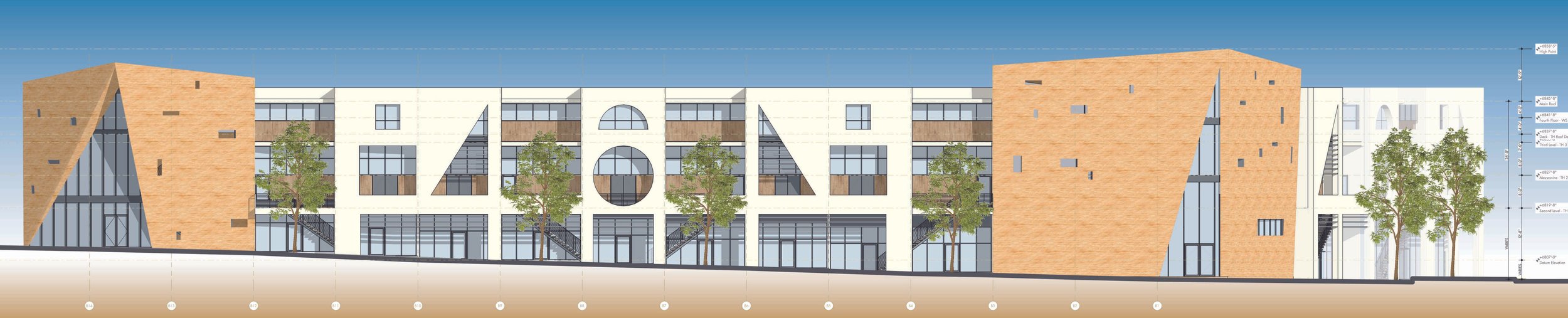
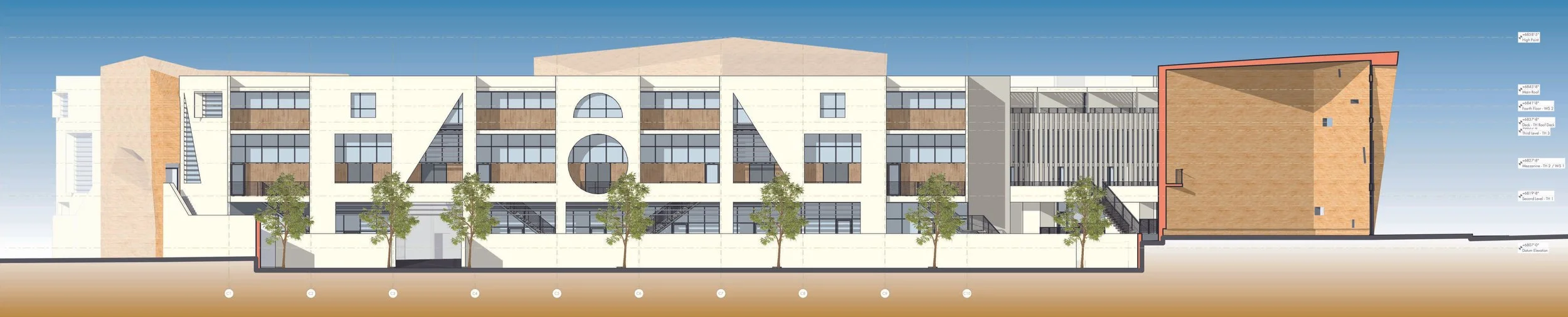
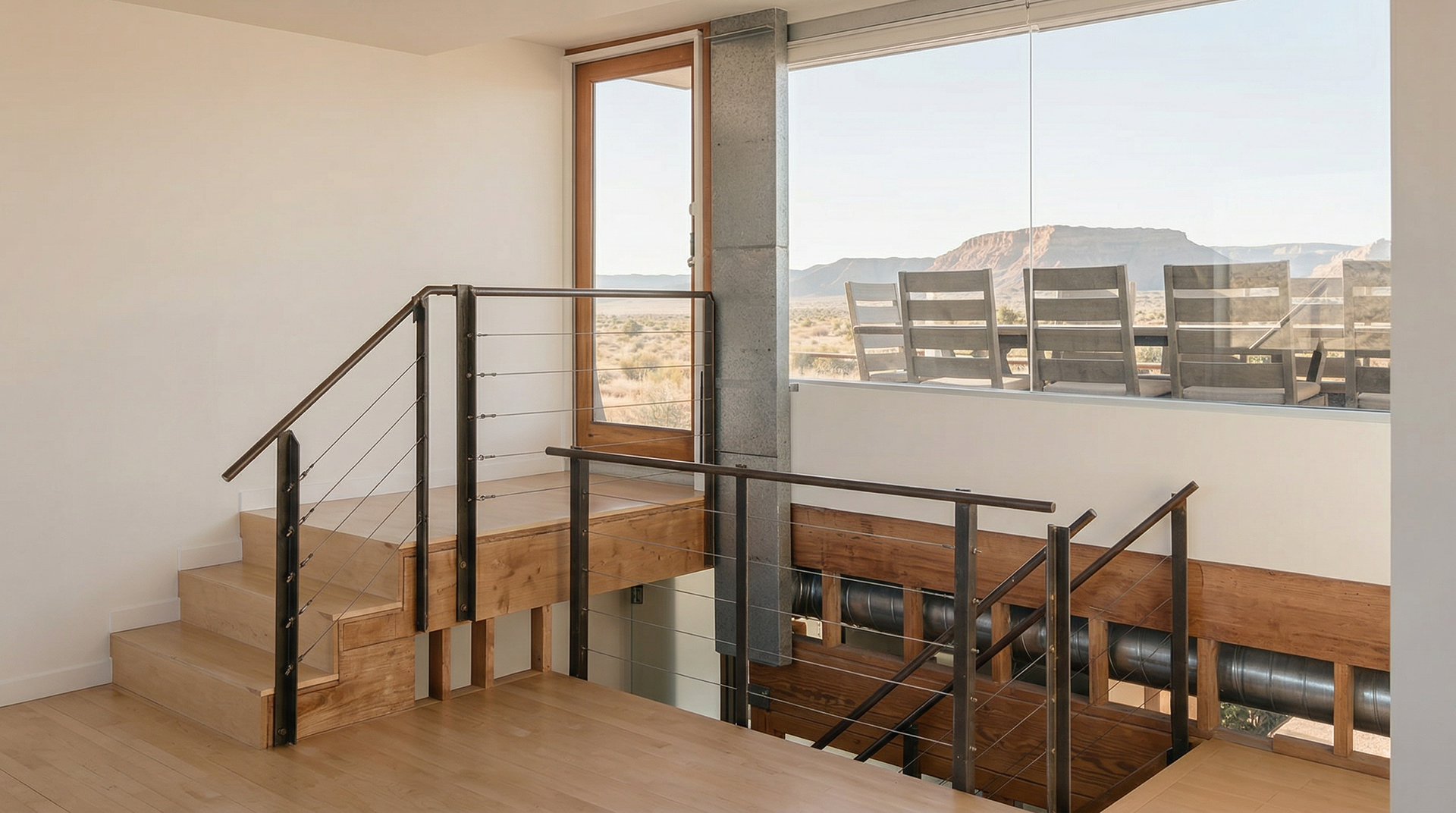
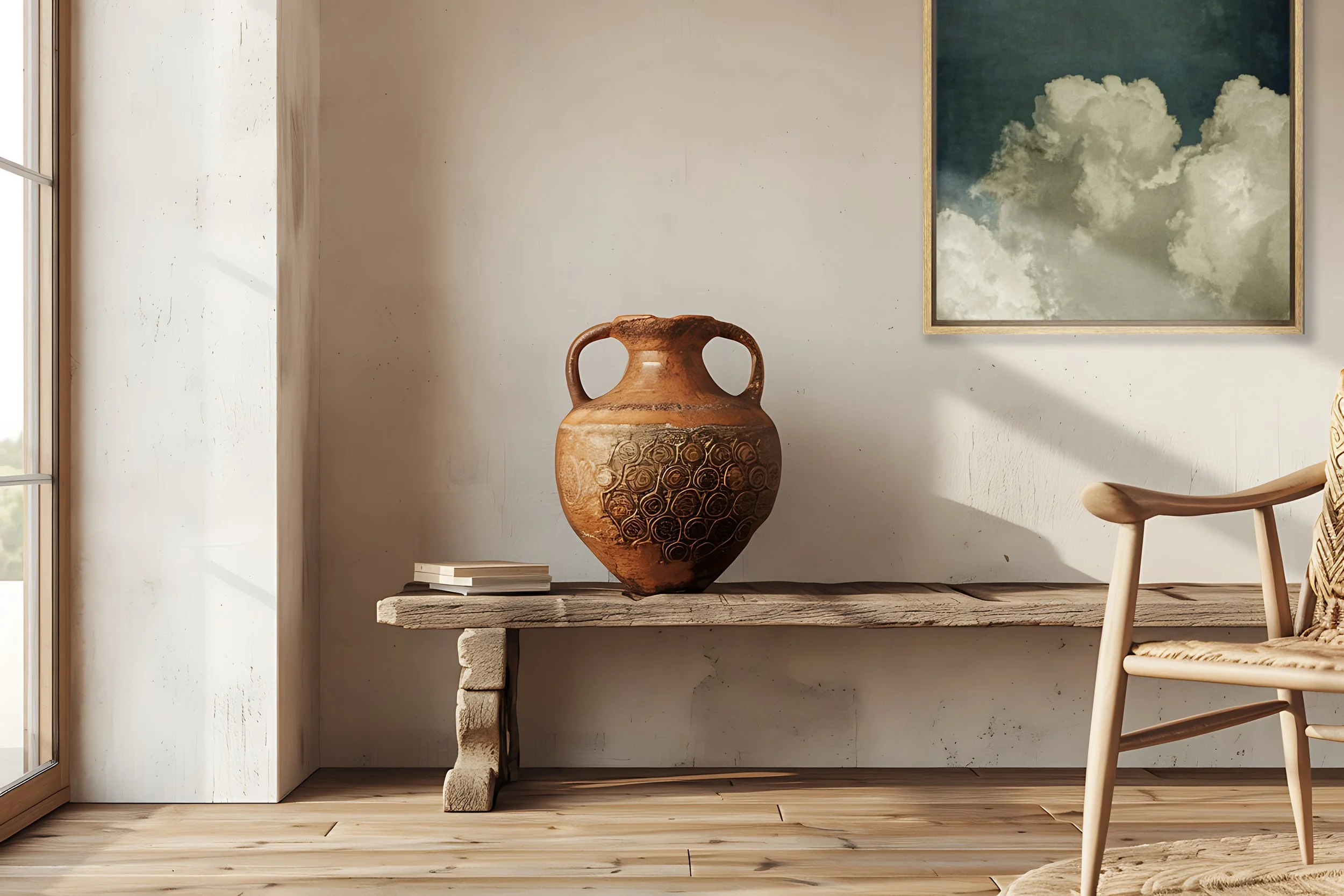
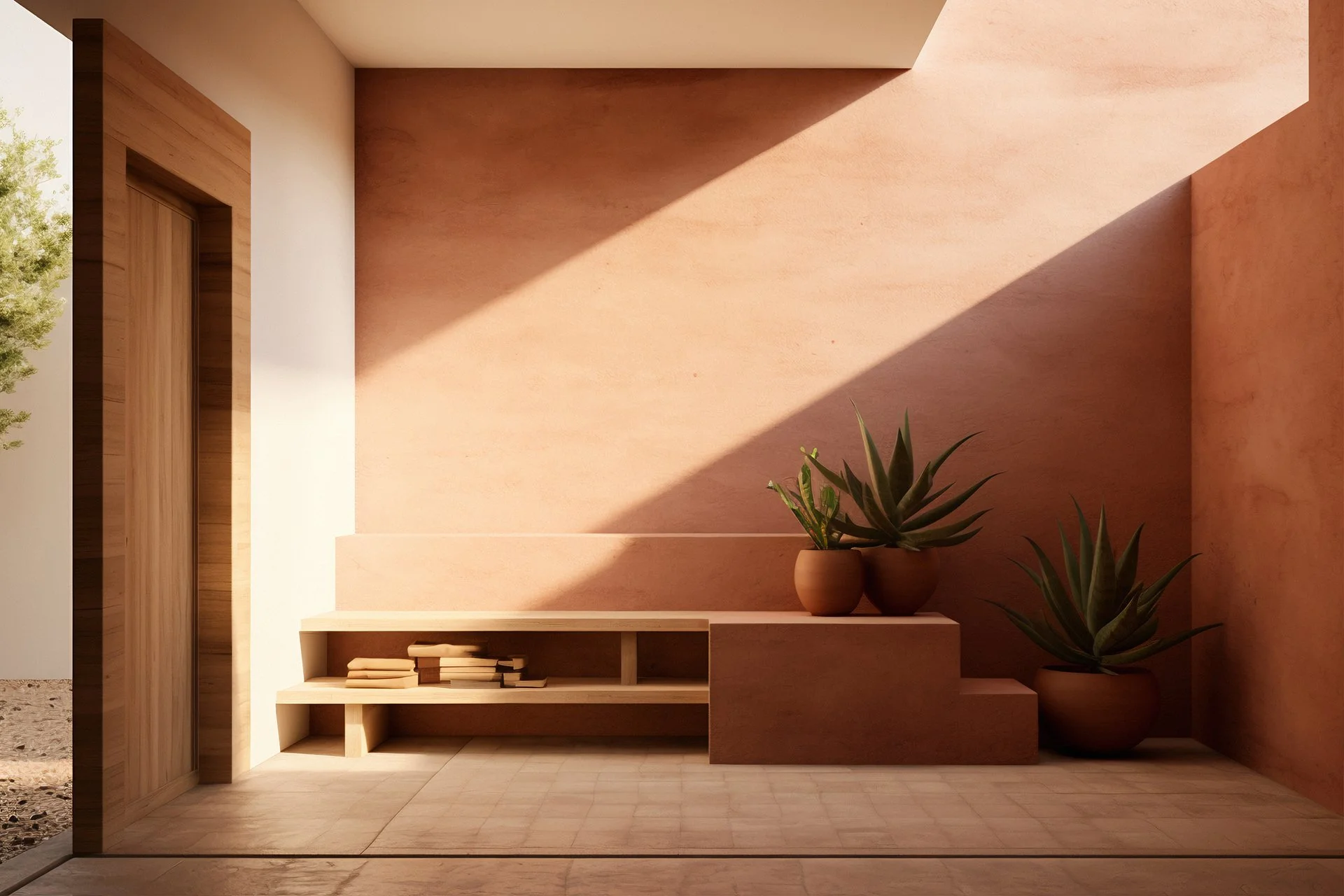
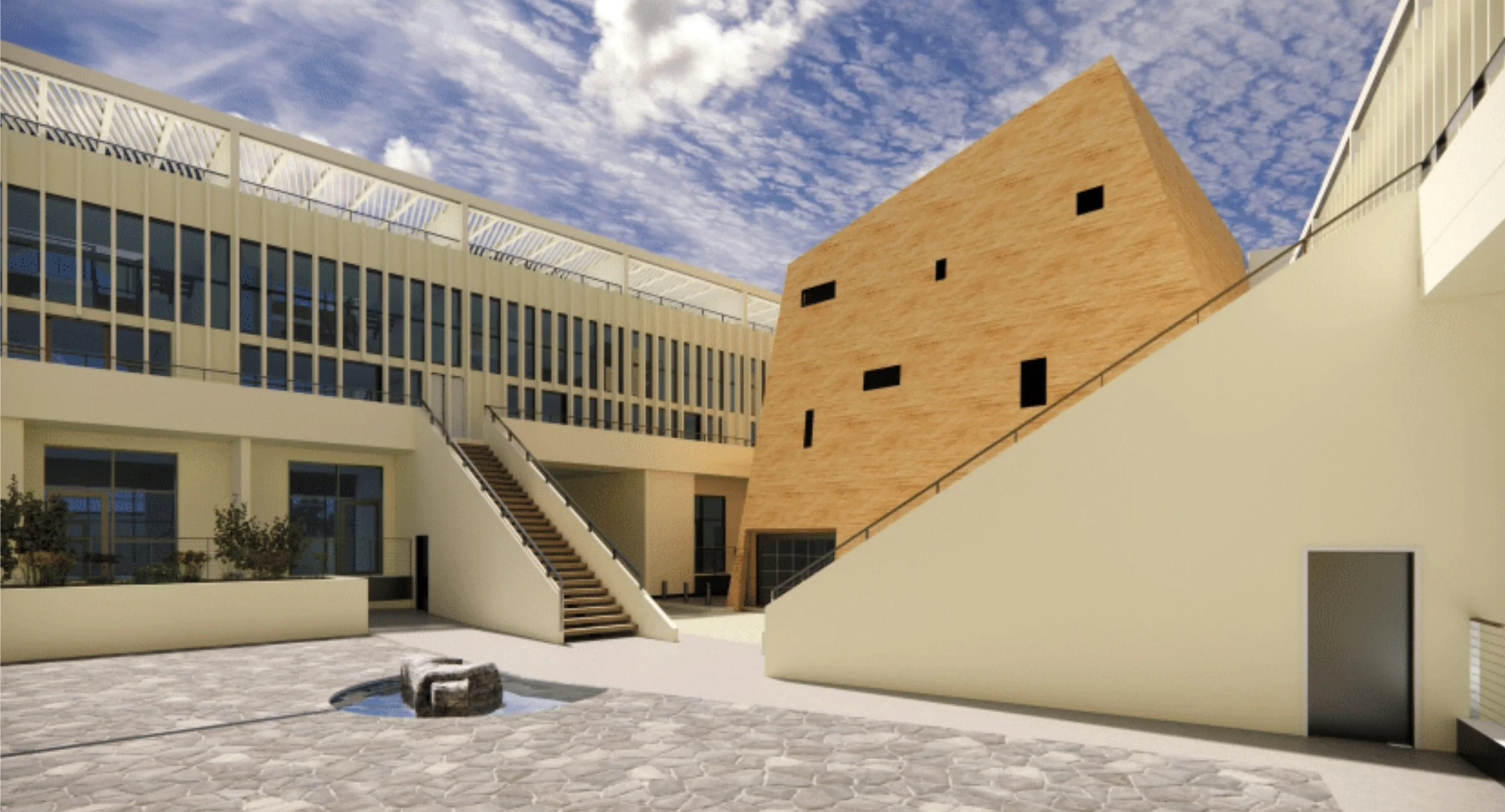
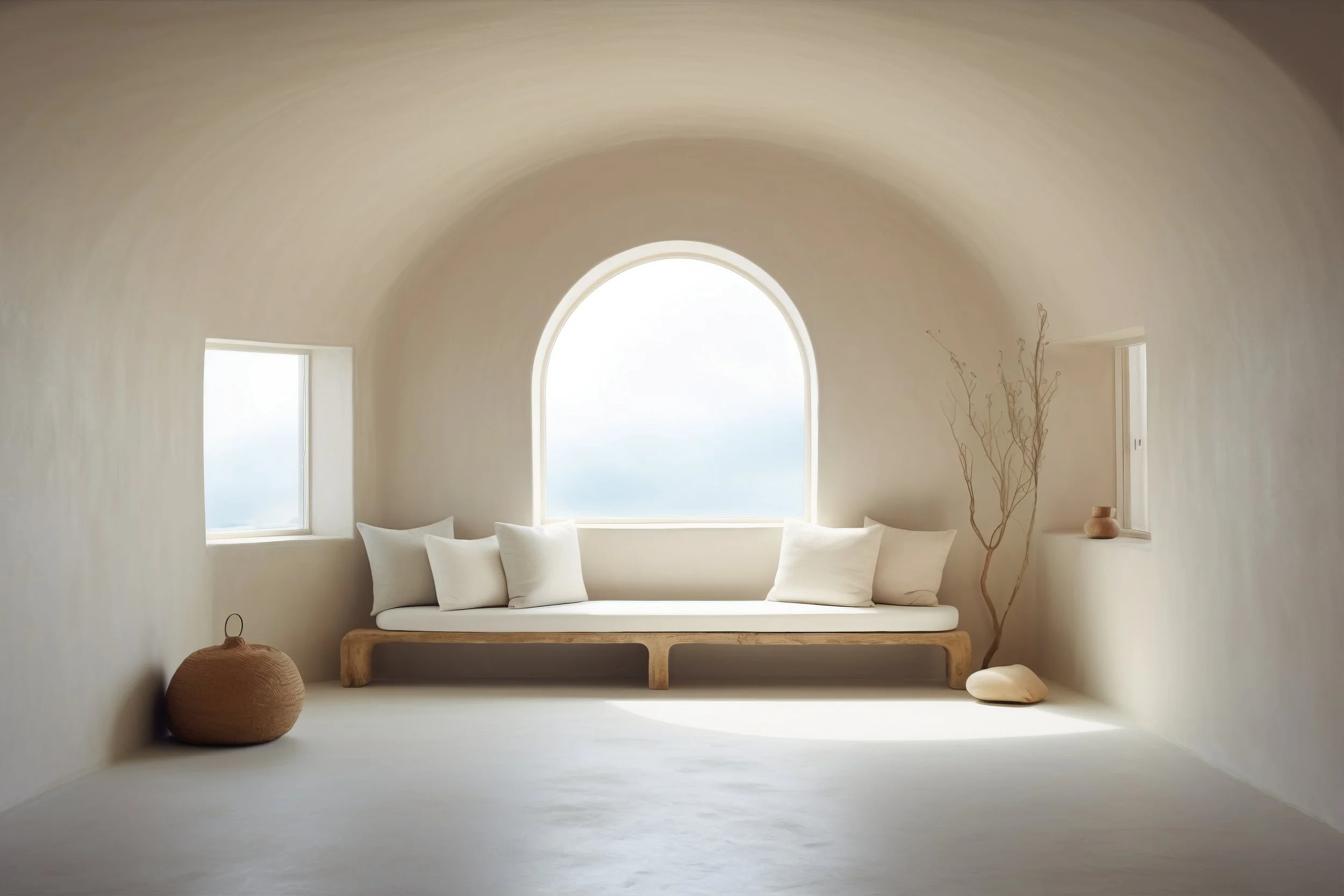
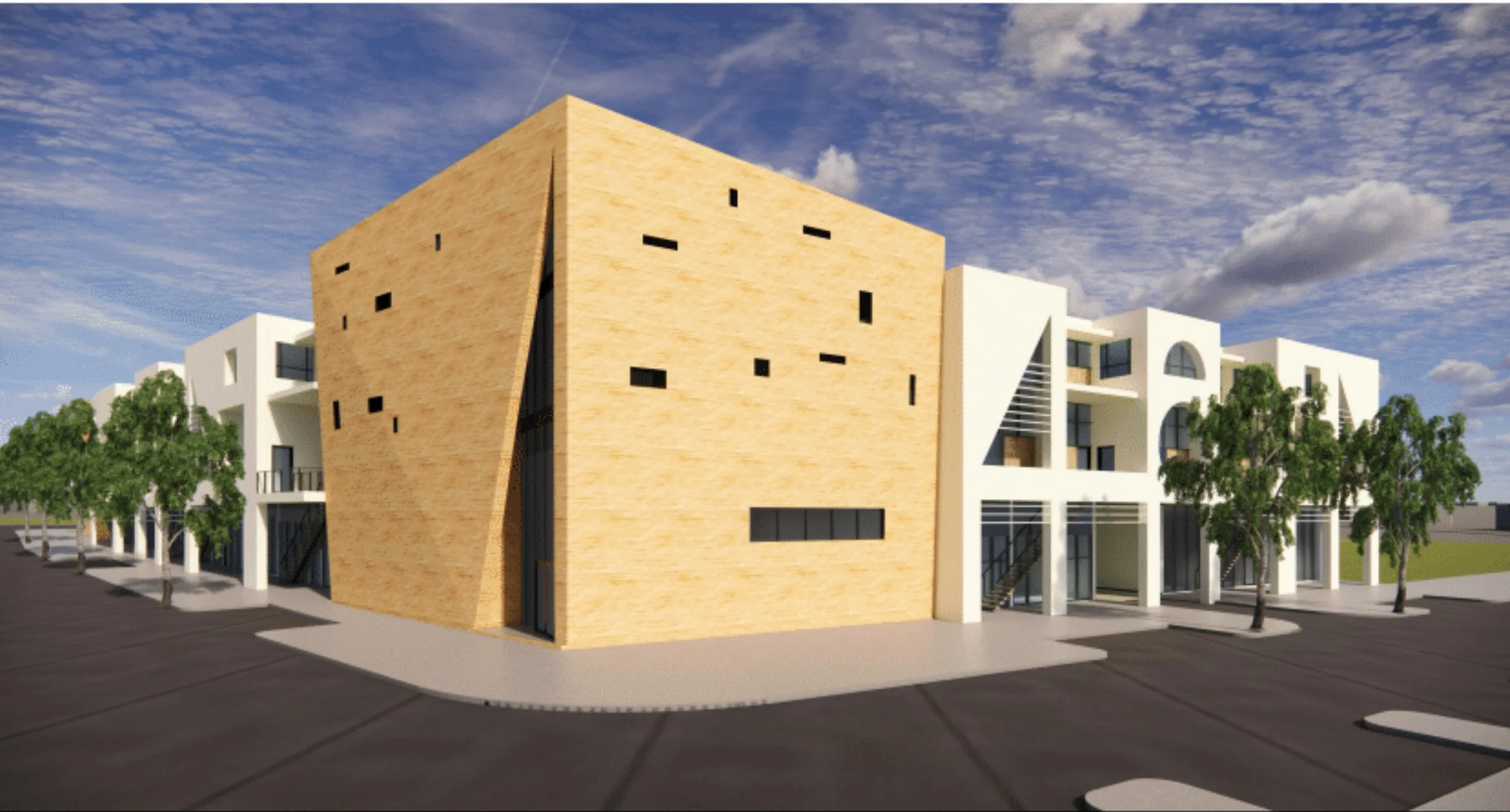
The project engages a lineage of regional architectural design while seeking to extend its vocabulary. In its early formation, the project looked laterally, toward a constellation of nearby architectural languages whose geometries quietly shape Midtown’s visual identity, such as Legoretta’s triangular skylights and stairs, Register’s angled walls, and Tsai’s circular forms. Yet as the design deepened, the project found its grounding in the more elemental sensibilities of Antoine Predock and Judith Chafee, whose interpretations of High Desert architecture, shaped in dialogue with Frank Lloyd Wright and Louis Kahn, offer a vocabulary of mass, light, and procession attuned to the New Mexico desert’s unique scale. This is an architecture that feels less placed upon the landscape than drawn from it.
Geometry Unbound
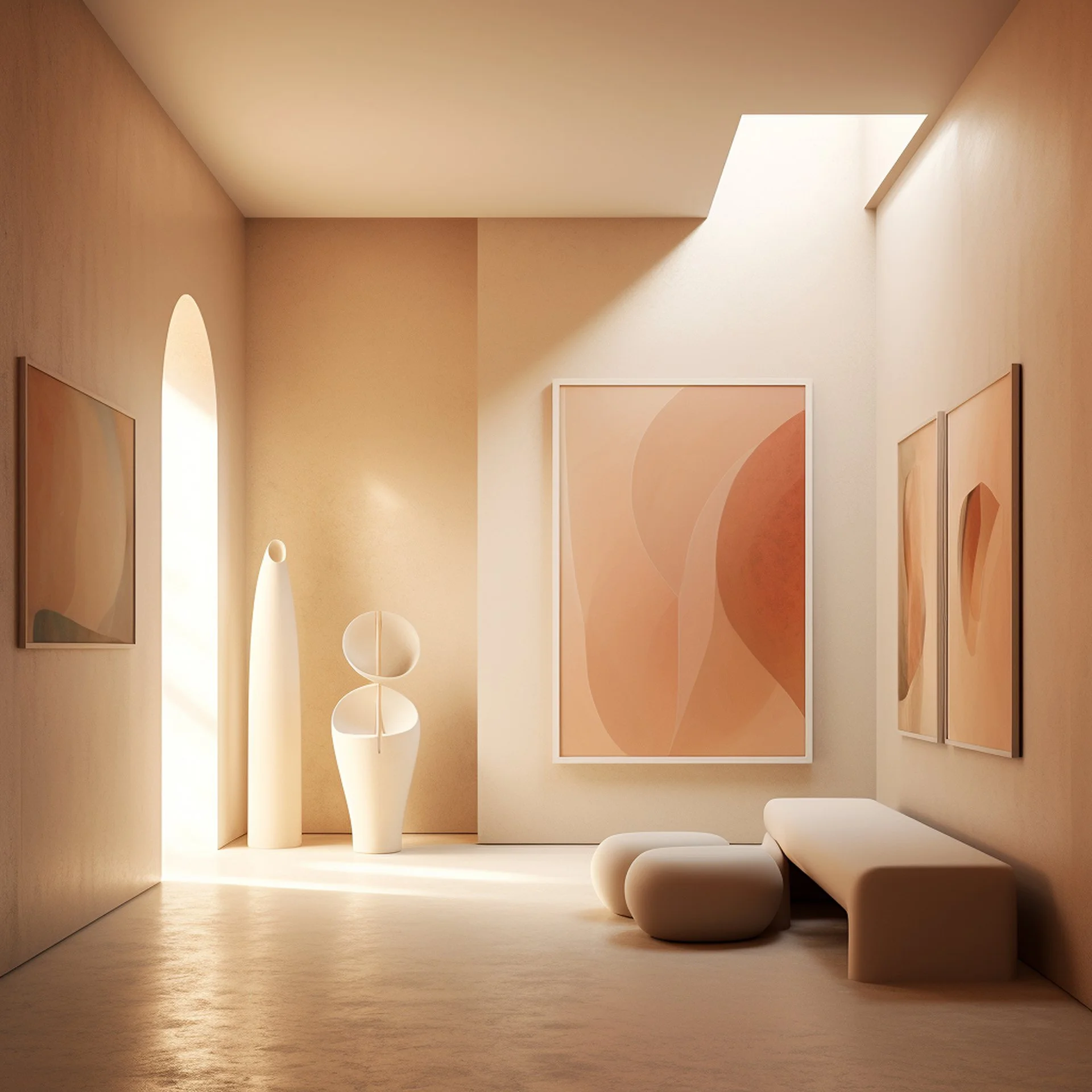
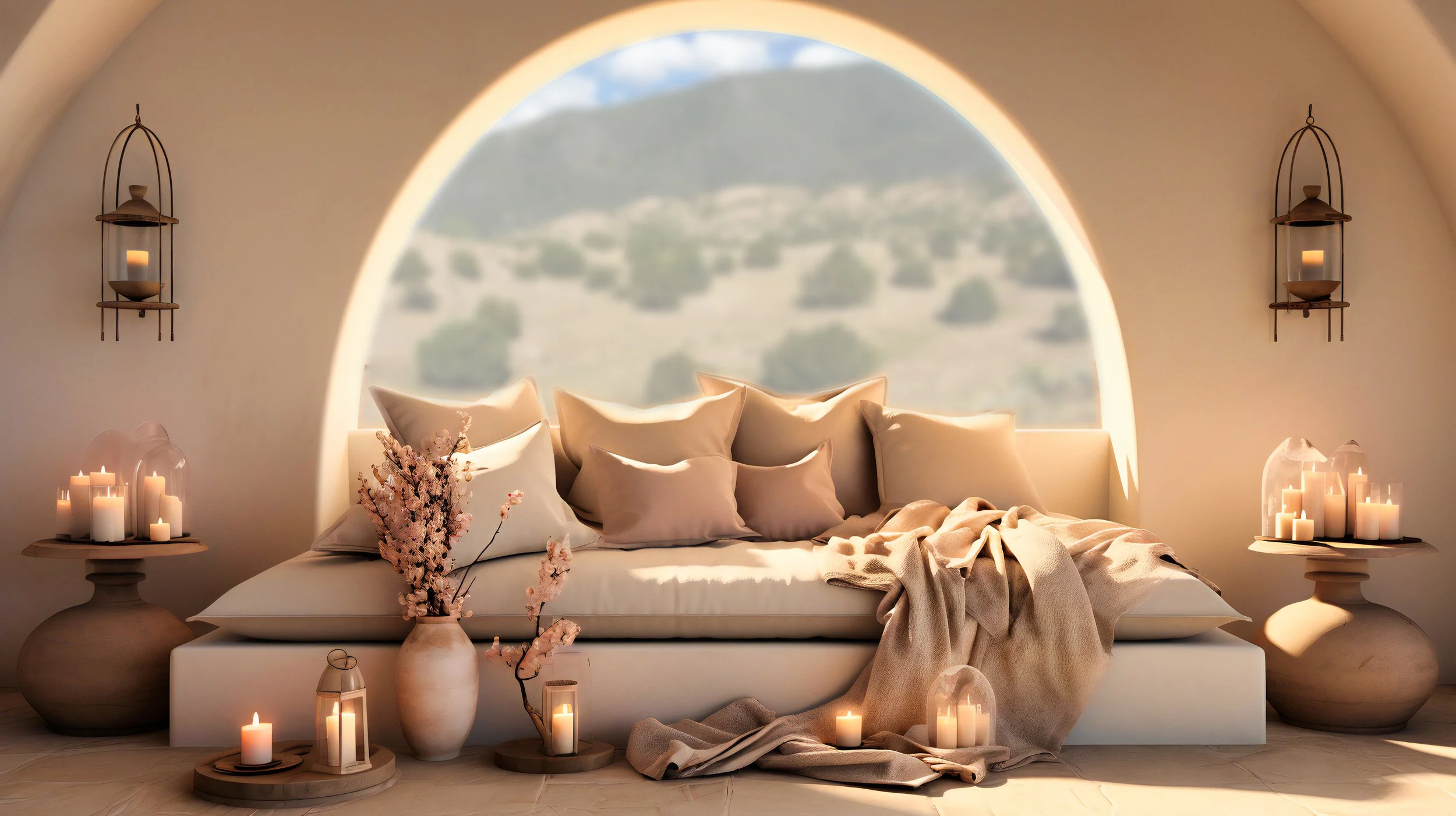
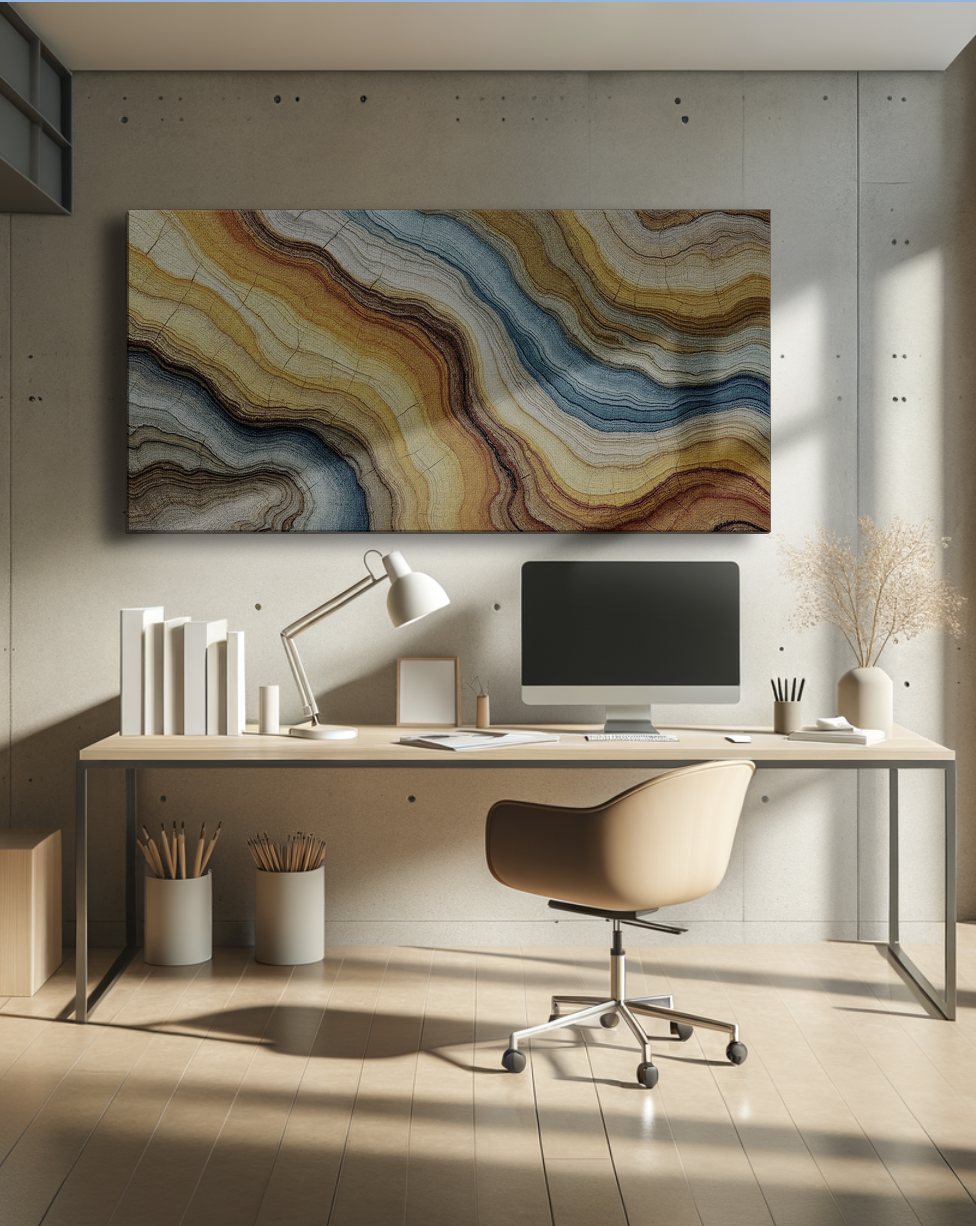
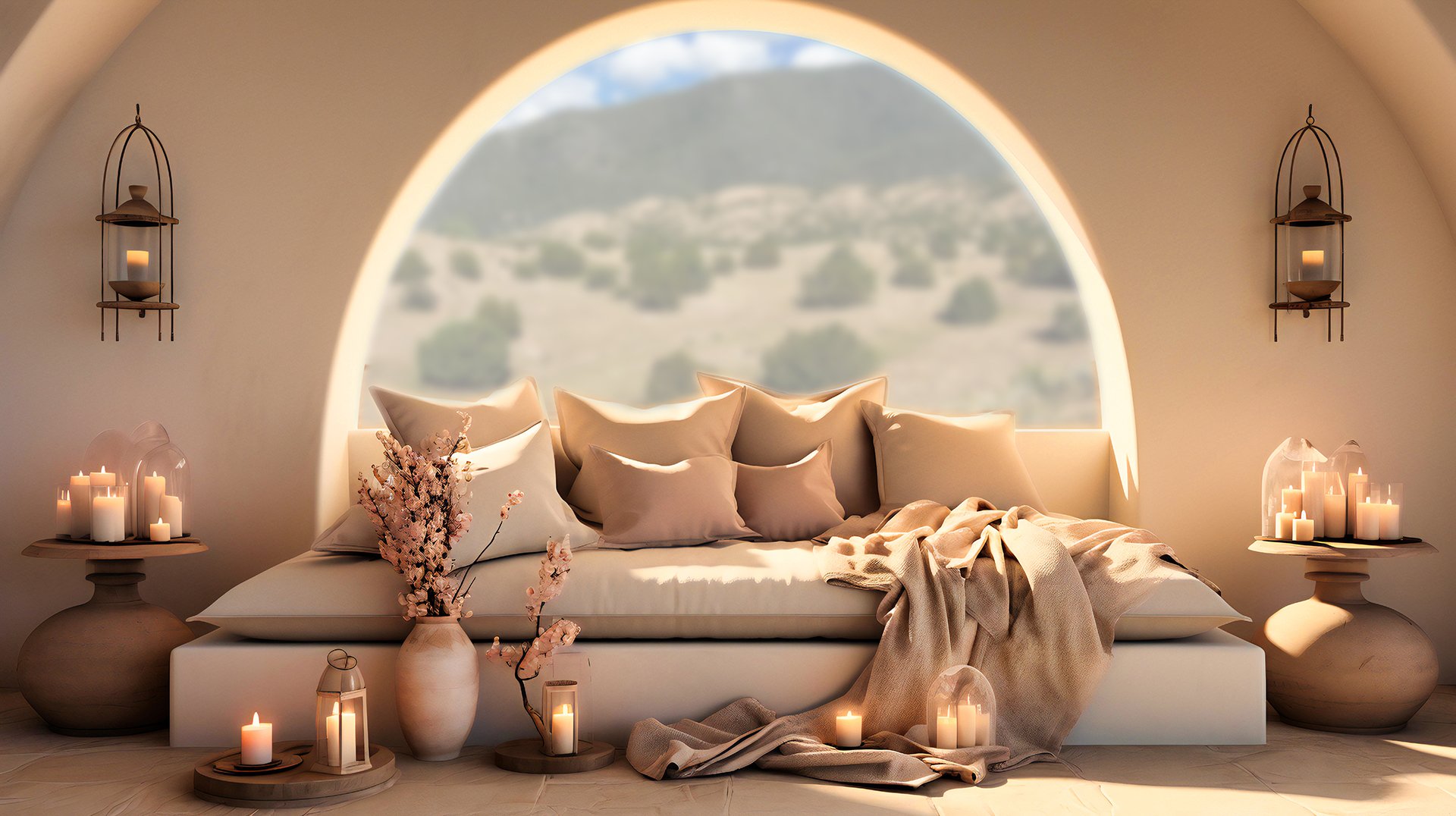
Within Blue Mesa’s design, geometric forms, like squares, triangles, and circular apertures, reference both the language of visual art and the architectural precedents embedded within the region. Smaller apertures within work-only studios respond directly to artist feedback, privileging wall space while maintaining a perceptual link to the sky. Larger, shaded openings in communal areas invite light deep into the plan, dissolving boundaries between interior and exterior conditions. Each facet of Blue Mesa becomes a conversation between the modern masters and the ancestral cultures of the land. It understands region not as a fixed aesthetic but as a dynamic set of relationships between land, light, community, and time.