
Immersion



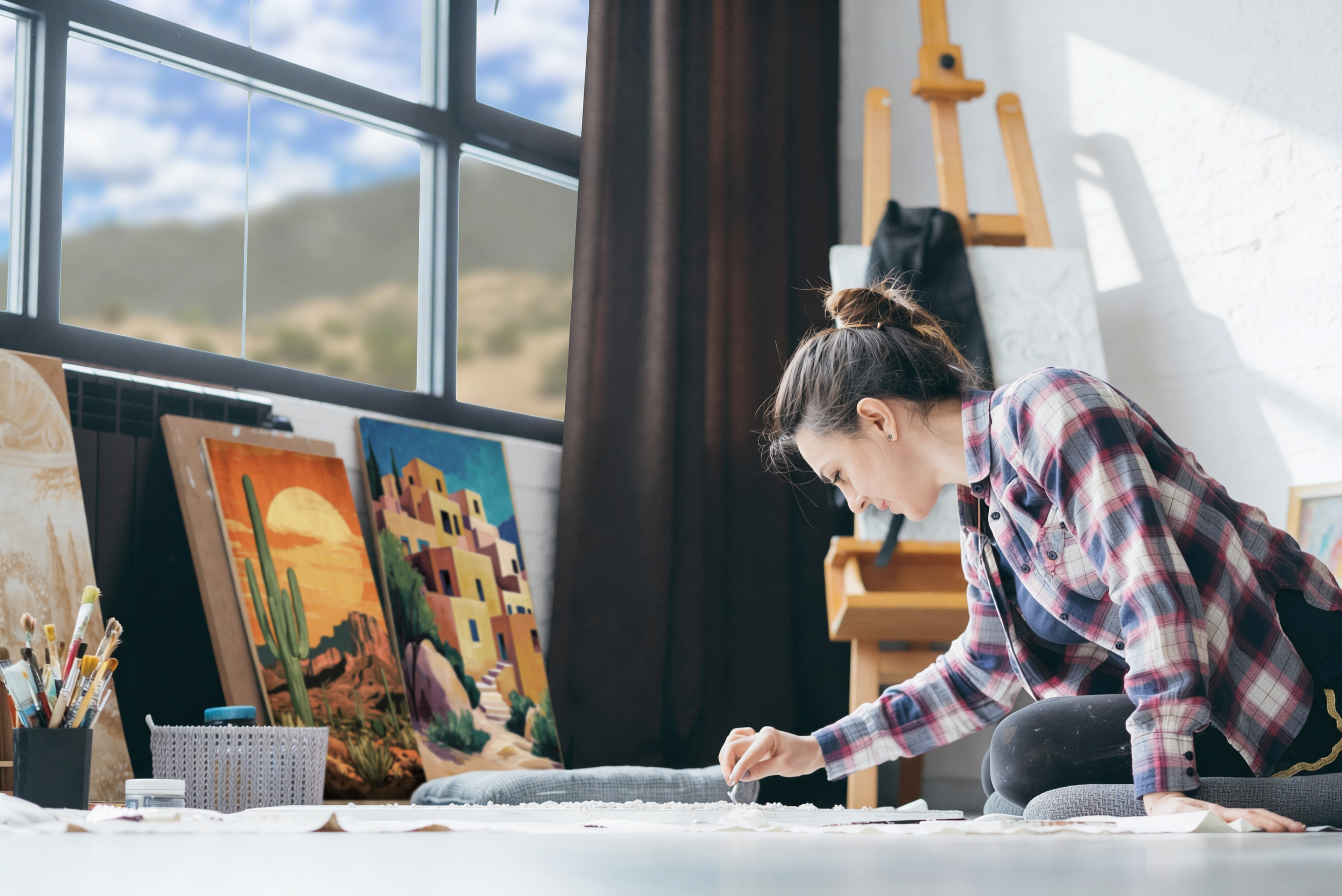
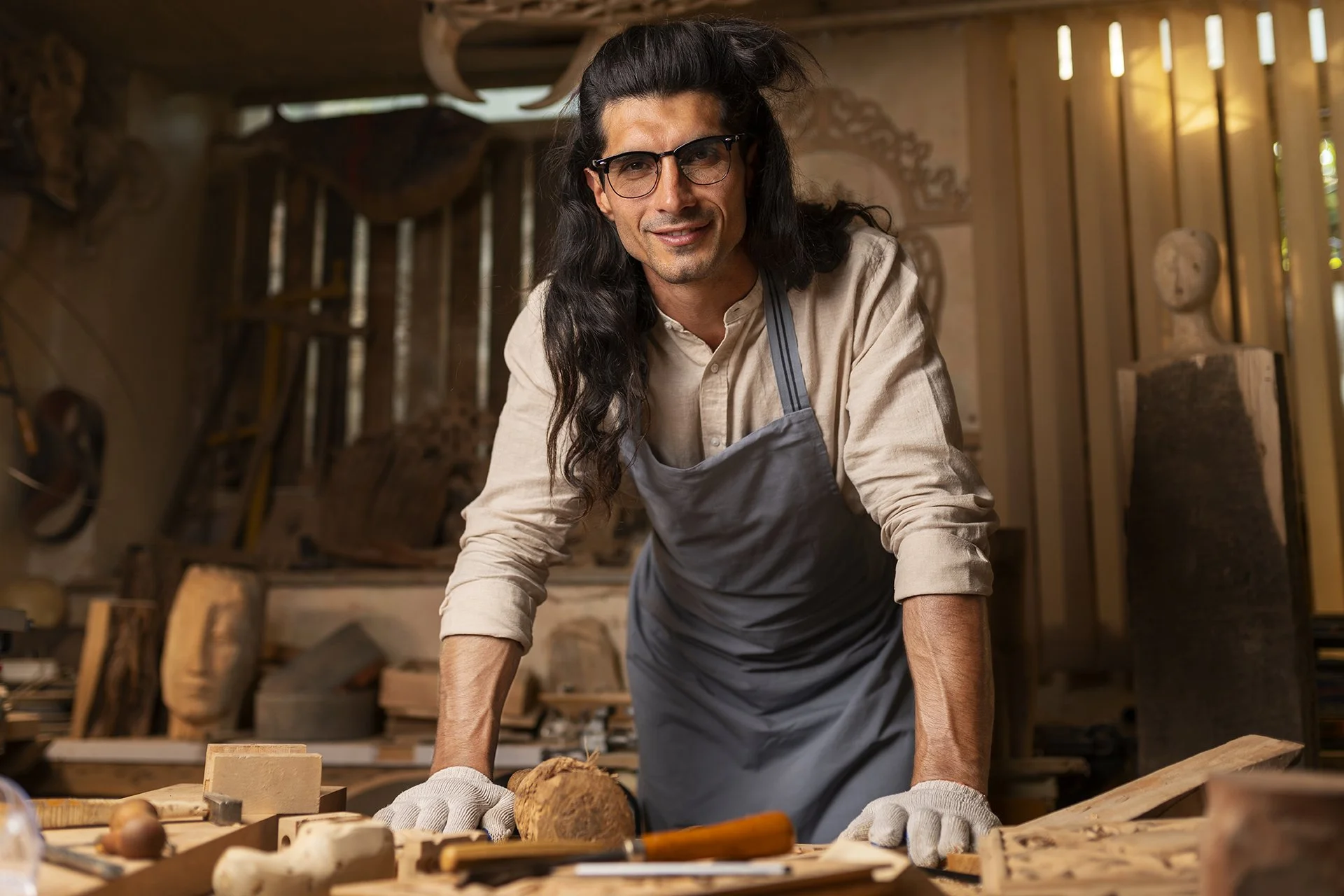
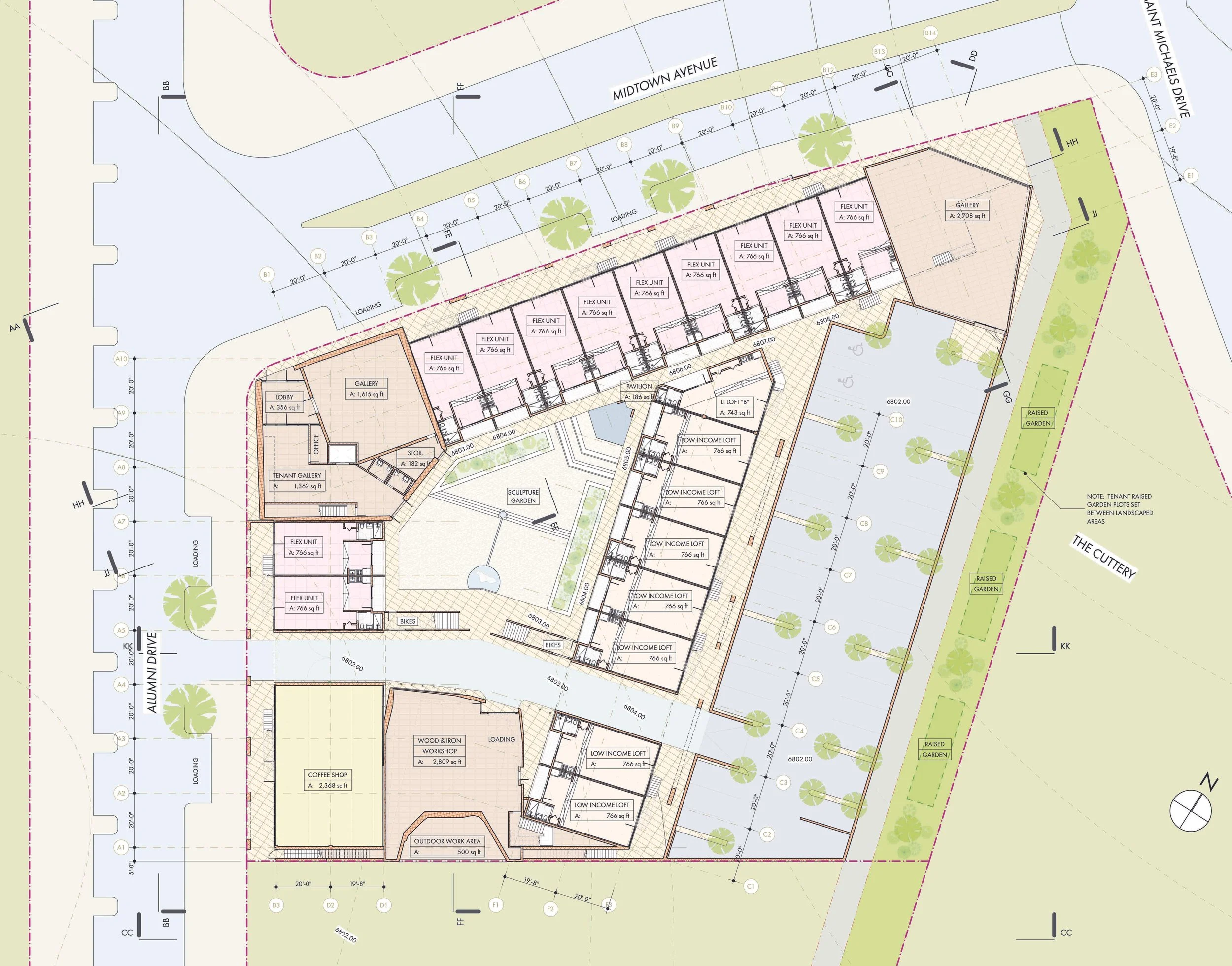
The design process was guided by a central question: how can architecture extend the agency of artists within a rapidly transforming urban context? Rather than privileging object-making, the project prioritizes spatial, social, and economic systems. Parking is displaced to the site’s rear, liberating the street edge for pedestrian activity and cultural visibility. From this gesture, the plan unfolds as three distinct yet interconnected nodes: a commercial gallery anchoring the primary intersection; a community gallery and work-only studio complex marking the pedestrian entry; and both an indoor and outdoor workshop node engaging the adjacent Arroyo Park. These nodes are bound through a 5,000-square-foot central courtyard and acoustic landscape that operates as both circulation and commons.
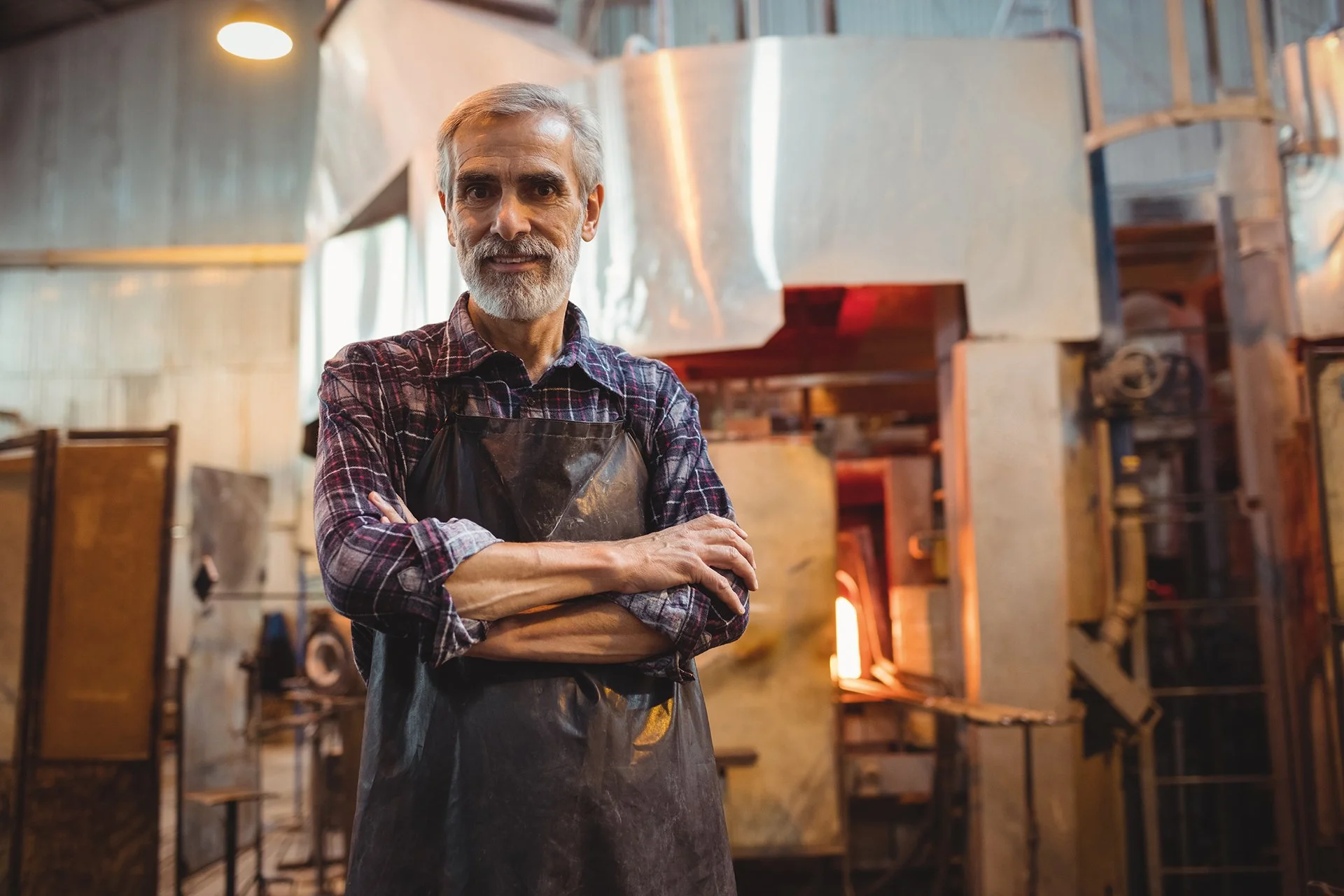
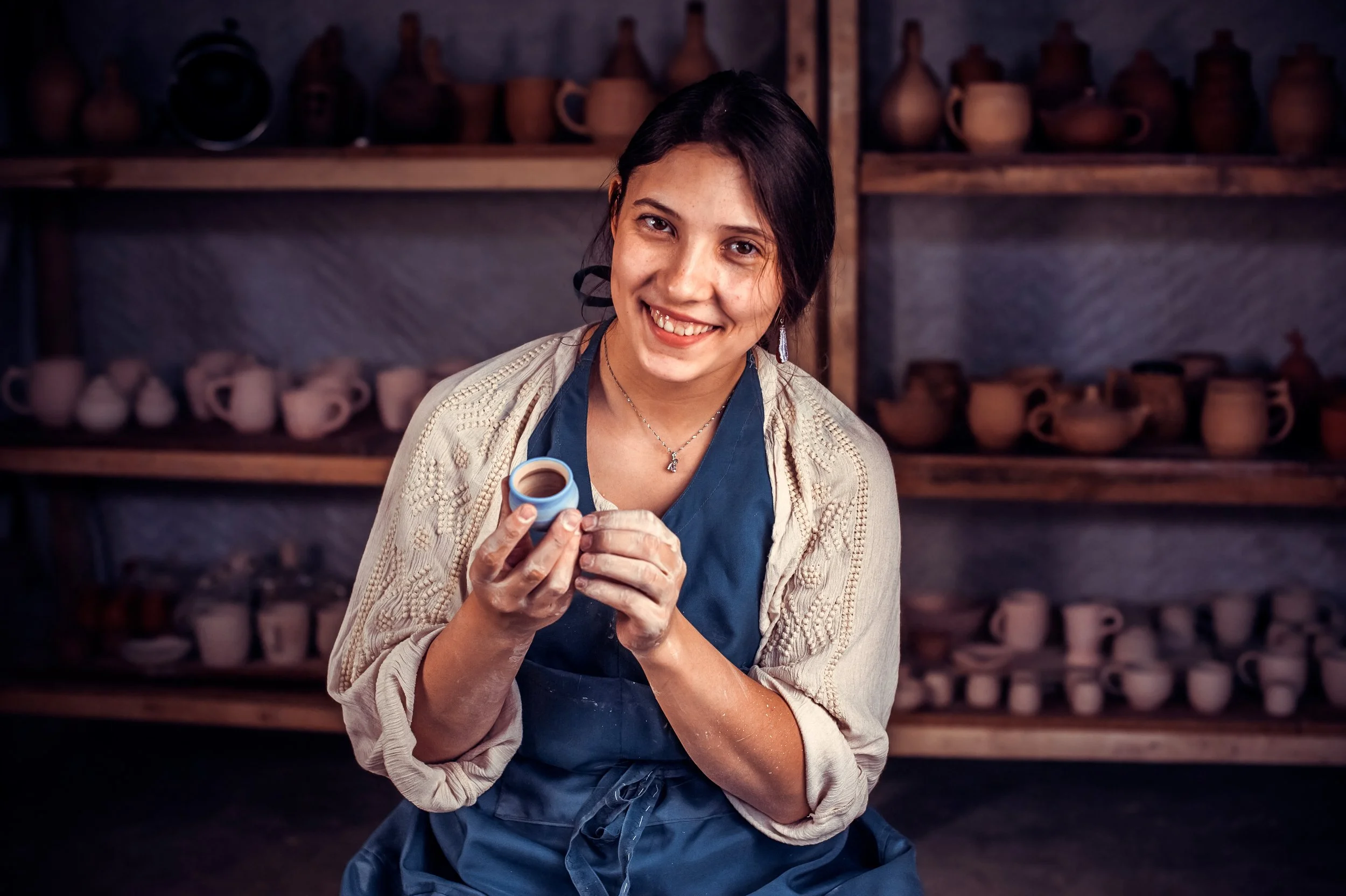
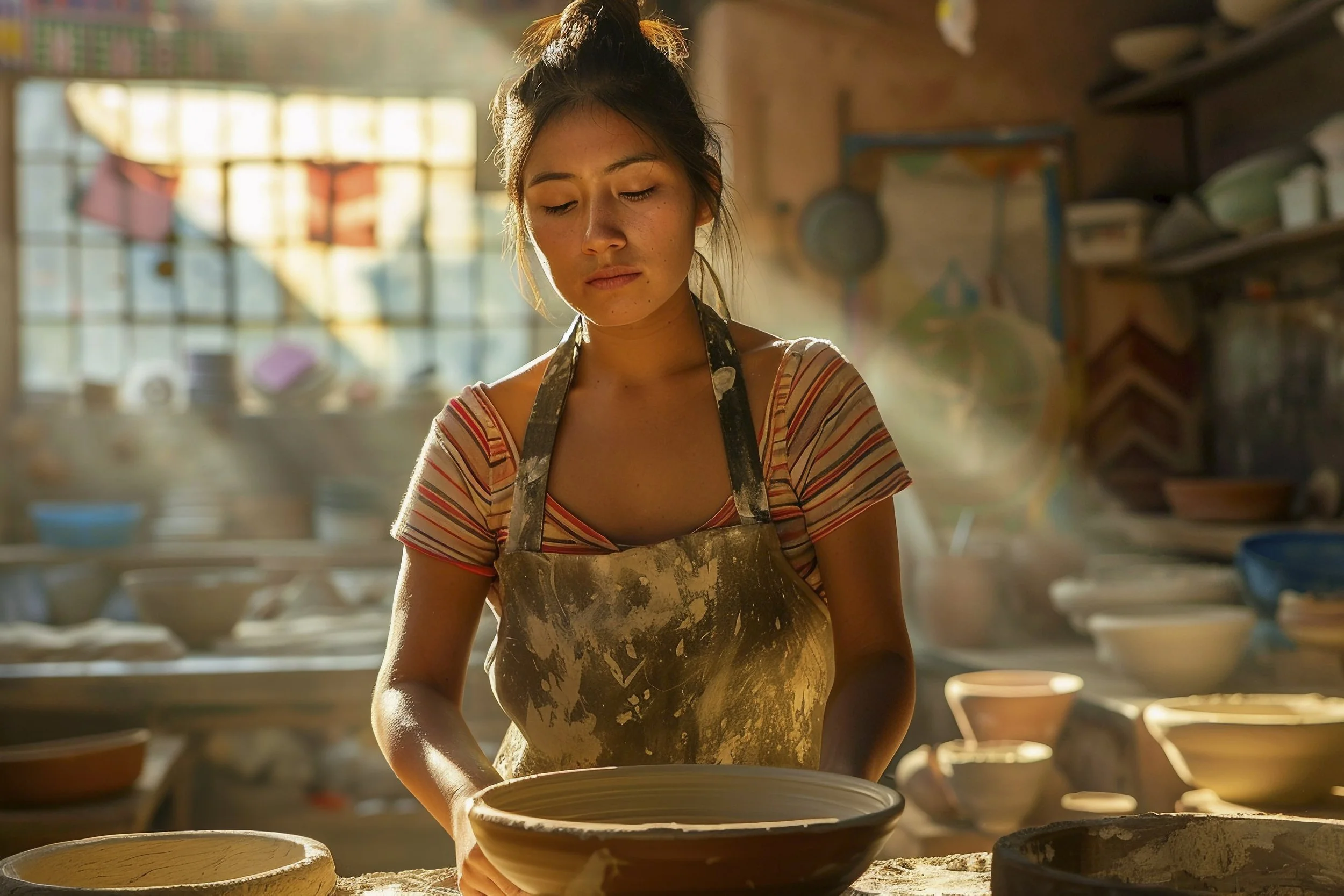
Creativity is not something you visit—it’s something you live inside.
At Blue Mesa, daily life and creative work are inseparable. Artists are surrounded by peers, process, and possibility.
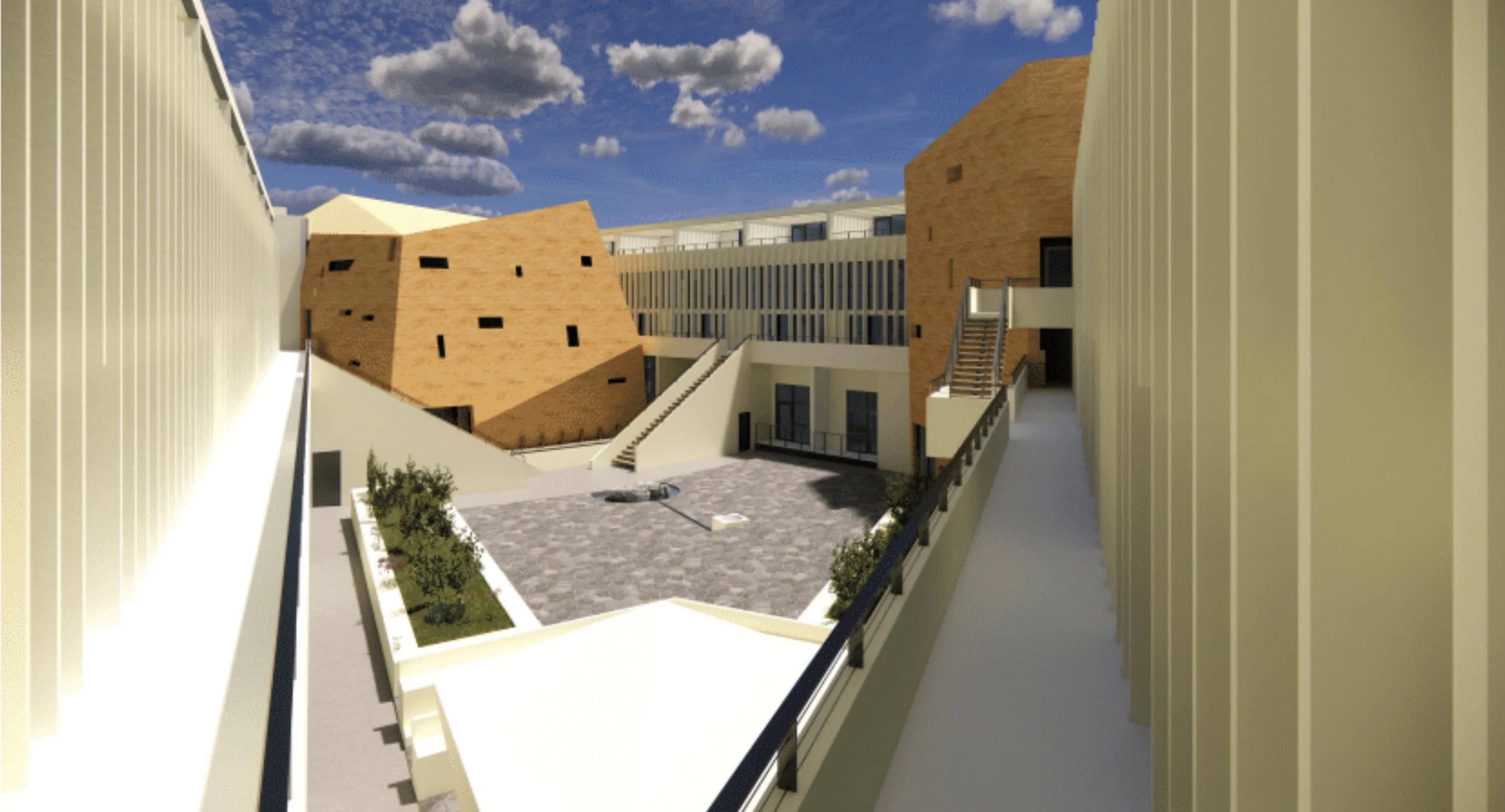
The courtyard becomes the project’s spatial and conceptual fulcrum. It gathers movement, light, and sound, creating a shared interior/exterior where informal exchange and programmed events coexist. Here, architecture is less about enclosure and more about the calibration of shade, airflow, and orientation. In response to the high desert climate, the buildings employ shaded glazing, cross-ventilation, and massing strategies that mitigate solar gain while maximizing diffuse natural light. The result is an environment attuned to both human comfort and artistic production, where the desert’s luminosity, diurnal shifts, and vastness are reframed.